Marketing is often thought of as advertising, but advertising is only one part of it. The 5 Ps are a simple way to think about the whole picture: what you sell, what you charge, where customers can buy, how you promote it and the people who deliver it. business.gov.au presents the 5 Ps as a way to guide your thinking when developing a marketing strategy.
This guide is general information written in our own words, based on the official sources listed at the end. Laws, regulator guidance and platform rules change, and how they apply depends on your business, so check the official source and get legal or professional advice where you need it. We don't recommend particular agencies, tools or platforms, and we never promise results.
Product
Product is what you sell, whether it's a physical item, a service or a mix. Questions to ask:
- What problem does it solve, and for whom?
- What makes it different from alternatives?
- What do customers like and dislike about it?
- Is there anything you could add, remove or package differently?
A product that genuinely meets a need is the foundation of all your other marketing.
Price
Price affects how customers see your business as well as your profit. business.gov.au's marketing plan tool asks you to explain your pricing strategy and why you chose it. Think about your costs, what competitors charge, what customers value and the position you want, whether that's affordable, premium or somewhere in between.
Be careful with pricing claims. The ACCC says any claim must be accurate and that fine print and qualifications must not conflict with the overall message of an ad. "Was" prices, "from" prices and discounts all need to be genuine. See our advertising law guide.
Place
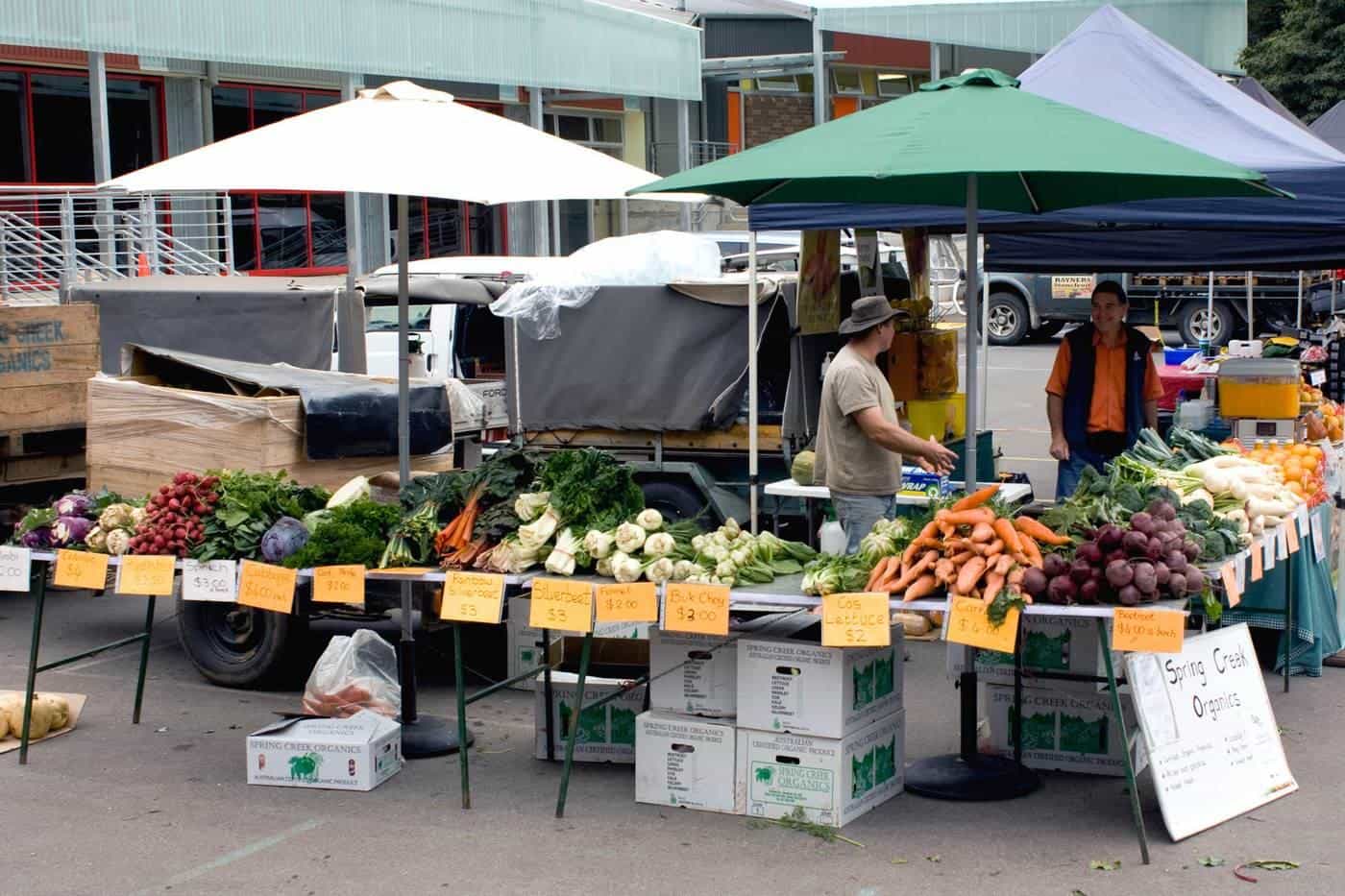
Place is where and how customers can buy. business.gov.au gives examples such as wholesale, a shopfront, a website or a market stall. Ask:
- Where do your customers prefer to buy?
- How easy is it to find you and buy from you?
- What are your delivery options and opening hours?
- Could a new channel reach customers you're missing?
For many small businesses today, "place" includes a website, an online booking system and a presence in local search results.
Promotion
Promotion is how you tell people about your business: advertising, search, email, social media, flyers, events, referrals and public relations. business.gov.au's tool suggests choosing channels that suit your target market. A few channels done well usually beat many done poorly. Our digital guides cover the main online channels.
People
People are everyone who represents your business: you, your staff and anyone who deals with customers. Friendly, knowledgeable and reliable service is one of the strongest forms of marketing a small business has, and it shapes reviews and word of mouth.
How the Ps fit together
The Ps need to be consistent. A premium price needs a product, place, promotion and service that feel premium. A low-cost offer needs efficient processes and clear messages about value. If one P is out of step, customers notice.
Putting the 5 Ps to work
Work through each P for your business and write down two or three practical changes. Then add them to your marketing plan. Revisit the Ps each year, or when something changes, such as a new competitor or a shift in what customers want.
Other versions
You may see versions with four Ps, or with extra Ps such as process and physical evidence. The labels matter less than the habit of thinking about your whole offer, not just your ads.
A quick worked example
Imagine a small bakery. Product: sourdough and pastries made on site each morning. Price: a little above supermarket bread, reflecting quality and freshness. Place: a shopfront with early opening hours, plus pre-orders through a simple website. Promotion: a local search listing, photos on one social platform and a sign-up list for weekly specials. People: friendly staff who know the regulars. Each P supports the others.
Questions to ask each year
Once a year, ask: has anything changed about what customers want? Are our prices still right for our costs and position? Are customers finding and buying from us easily? Which promotion channels are working? Is our service as good as it could be? Small, regular improvements across the Ps add up.
Try the email marketing checker
Our free email marketing checker asks six quick questions about consent, identifying your business, contact details and unsubscribing, based on ACMA's guidance on the Spam Act 2003. It shows what to fix if anything is missing. It runs entirely in your browser, and nothing you answer is sent anywhere.
Where our information comes from
Factual statements in our guides are based on official sources, including the ACCC, the Australian Communications and Media Authority (ACMA), the Office of the Australian Information Commissioner (OAIC), business.gov.au and Google Search Central. We link to each source at the end of the page and write everything in our own words. We don't publish invented statistics, benchmarks, case studies or testimonials.
Rules and platforms change
Consumer, spam and privacy rules are reviewed from time to time, regulators update their guidance, and digital platforms change their features and policies often. Treat our guides as a starting point, and check the official source, or get legal or professional advice, before making decisions that matter for your business.
Free official help
business.gov.au publishes free guidance and templates on marketing, advertising and online reviews, and can be contacted on 13 28 46. The ACCC, ACMA and OAIC each publish plain-language guidance for businesses on their websites. State small business commissioners and small business development centres also offer information, workshops and, in some cases, low-cost advice.
Marketing on a small budget
You don't need a big budget to market well. Many of the most effective activities for small businesses cost little except time: a clear, helpful website; accurate local listings; genuine reviews; a simple email list built with consent; consistent social media on one platform; and great service that earns word of mouth. Start with these, measure results and invest more where you see returns.
Working with agencies and freelancers
If you hire help, be clear about your goals and budget, ask for examples of similar work, agree what will be delivered and how results will be reported, and make sure you keep ownership of your website, accounts and customer data. Be wary of anyone promising guaranteed results. Remember that you remain responsible for what is published on your behalf.
Accessibility helps everyone
Making your marketing accessible helps more people use it. Use clear headings and plain language, add descriptive alt text to images, make sure text contrasts well with backgrounds, caption videos, and check that your website and emails work well on phones and with screen readers. Accessible marketing is usually clearer marketing for everyone.
Consistency builds recognition
Use the same business name, logo, colours and tone across your website, listings, social media, emails, signage and printed material. Consistency makes your business easier to recognise and remember, and helps customers trust that they've found the right business. A simple one-page style guide can help anyone who creates content for you.
Look after existing customers
It's often easier to win more business from existing customers than to find new ones. Thank customers, follow up after a sale, ask for feedback, and give them reasons to come back, such as useful updates or offers for regulars. Happy customers also tend to recommend you to others, which is some of the most valuable marketing there is.
A quick checklist
If you remember only a few things from our guides, make them these: know who your customers are; set goals you can measure; be helpful rather than salesy; make every claim accurate and provable; get consent before emailing or texting; never fake or manipulate reviews; disclose paid partnerships; and review what's working regularly.
Key points
- The 5 Ps: product, price, place, promotion and people.
- Promotion is only one part of marketing.
- Pricing and discount claims must be accurate and genuine.
- Make sure all five Ps are consistent with each other.
- Turn your thinking into practical changes in your marketing plan.
Frequently asked questions
What are the 5 Ps of marketing?
Product, price, place, promotion and people. business.gov.au presents them as a way to guide your marketing thinking.
Is marketing just advertising?
No. Promotion is only one of the Ps. What you sell, how you price it, where it's available and how your people serve customers all matter.
How do I use the 5 Ps?
Work through each P and ask practical questions about your business, then make sure they fit together.
Can pricing claims be misleading?
Yes. The ACCC says claims must be accurate and fine print must not contradict the overall message.
Sources and further reading
Facts on this page were checked against these primary and official sources. Conditions change — confirm before you travel or buy.
- Marketing and advertising — business.gov.au
- Marketing plan tool — business.gov.au
- False or misleading claims — ACCC